
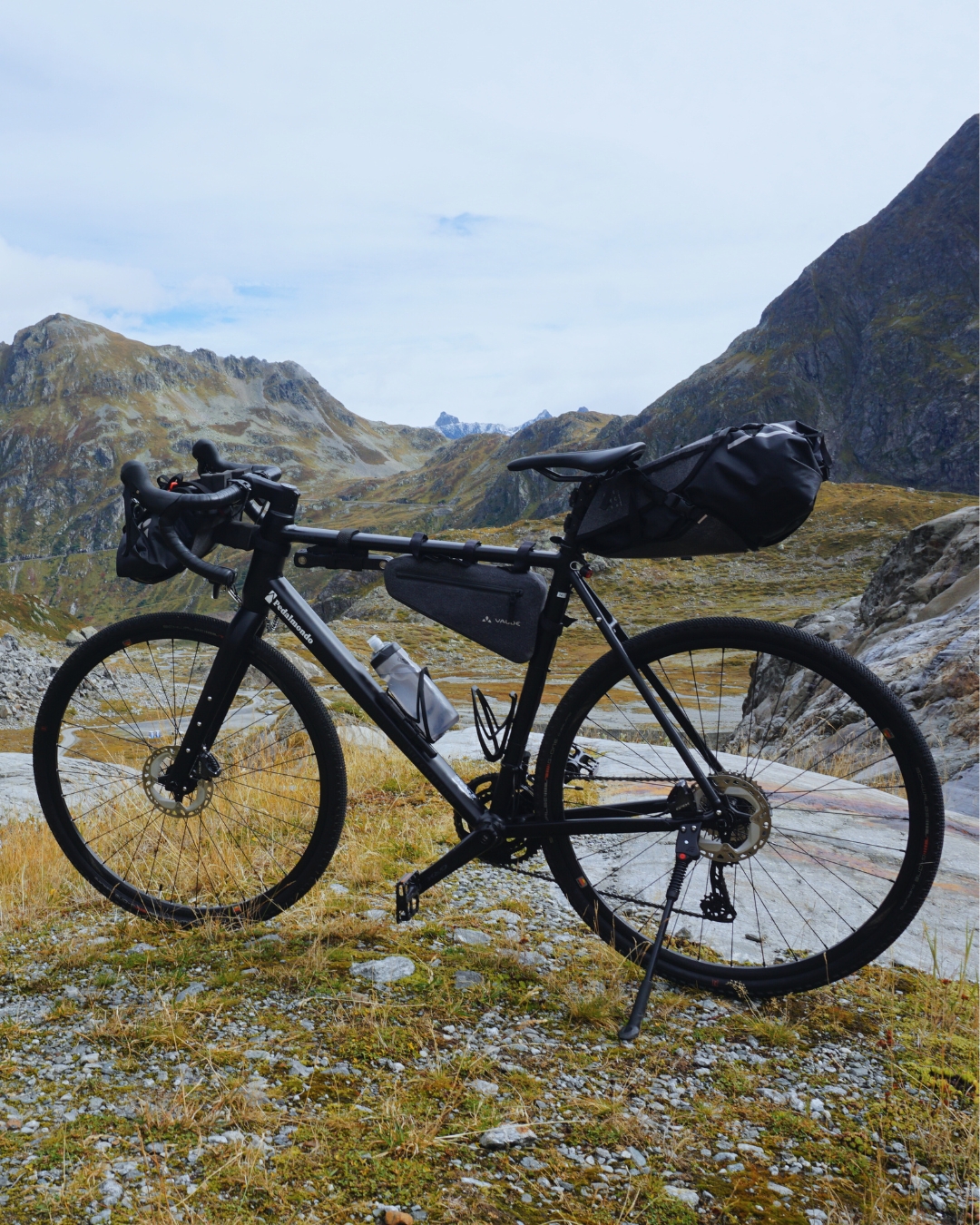
If you are into bikes, you have probably heard of gravel bikes. But what exactly is a gravel bike, and how does it differ from a classic road bike? In this blog post we will answer those questions and look at the most important differences between a road bike and a gravel bike in detail.
What is a gravel bike?
A gravel bike is a versatile bike developed specifically for riding on a wide range of surfaces, from tarmac roads to gravel tracks and light trails. It is a mix of a road bike, a cyclocross bike and a mountain bike. Gravel bikes are designed for long-distance and adventure riding and strike a perfect balance between speed, comfort and off-road capability.
The 12 most important differences between a road bike and a gravel bike
Frame geometry:
Frame geometry is one of the most obvious differences between a road bike and a gravel bike. While road bikes put you in an aggressive, aerodynamic position with a steep head angle, gravel bikes have a more relaxed geometry with a taller head tube and a slacker head angle. This makes for more stability and comfort on uneven terrain.
Tyre width:
Another important difference is tyre width. Road bikes generally use narrow tyres (23-28 mm) to minimise rolling resistance and maximise speed on tarmac. Gravel bikes, on the other hand, have considerably wider tyres (35-50 mm) that offer more grip and cushioning on gravel and unsurfaced tracks.
Tread pattern:
Tread patterns differ significantly too. Road bike tyres are slick to keep rolling resistance as low as possible, while gravel tyres have a coarse tread that provides better traction on loose surfaces. Gravel tyre tread is often reminiscent of the knobs on mountain bike tyres, though less pronounced.
Wheels:
Gravel bikes are often fitted with more robust wheels with wider rims and more spokes, to cope with the greater loads of riding off surfaced roads. Road bikes have lighter, more aerodynamic wheels designed for maximum speed on tarmac.
Gearing:
Road bikes are designed for high speeds on flat and hilly roads and therefore often have closely spaced gearing. Gravel bikes, however, need a wider range to cope with both level roads and steep off-road climbs. This is often achieved with a 1x or 2x drivetrain and a wide-range cassette (11-42 teeth, for example).
Frame material:
Road bike frames are often made from light materials such as carbon or aluminium, to minimise overall weight and maximise performance. Gravel bikes are made from these materials too, but the frames are often sturdier and built for durability so they can handle the strain of off-road riding. Some gravel bikes also use steel, as it is durable and comfortable.
Brakes:
While road bikes traditionally use rim brakes (although disc brakes are becoming ever more popular there too), gravel bikes are almost exclusively fitted with disc brakes. Disc brakes offer better braking performance in all conditions, particularly in the wet and in mud, which is decisive when riding off road.
Comfort and cushioning:
Gravel bikes generally offer more comfort than road bikes, thanks to the wider tyres, the more relaxed geometry and often special comfort features such as suspension seatposts or handlebar attachments. These qualities help damp down vibrations and impacts off road and make longer rides more pleasant.
Handlebar shape:
Both types of bike use drop bars, but the shape differs. Gravel bike handlebars are often wider and have more flare (the ends splaying outwards) to give more control on uneven terrain. Road bike handlebars are narrower and optimised for a more aerodynamic position.
Load capacity and mounting points:
Gravel bikes often come with numerous mounting points for bottle cages, racks, mudguards and bags. That makes them ideal for bikepacking and long tours. Road bikes, by contrast, are equipped fairly minimally to save weight and maximise aerodynamics.
Weight:
Road bikes are generally lighter than gravel bikes, as they are optimised for road use and maximum speed. Gravel bikes are more robust and have additional components such as wider tyres and disc brakes, which makes them heavier. That weight difference is necessary, though, to handle the demands of riding off road.
Intended use:
Perhaps the most decisive difference lies in what the two types of bike are for. Road bikes are designed for smooth, tarmac roads and are ideal for racing, training and fast rides. Gravel bikes, on the other hand, are true all-rounders that can be ridden on the widest range of surfaces and in varying weather conditions. They are suited to adventures, long-distance rides, bikepacking and even the daily commute, if that takes you over gravel or forest tracks.
Conclusion
A gravel bike is the perfect choice for anyone who likes getting off the tarmac and is after adventure on all kinds of surfaces. With its robust construction, comfortable geometry and wide tyres, it offers a versatility a road bike simply cannot match. It is the ideal companion for long tours, bikepacking adventures and rides into the unknown.
If you are wondering „what is a gravel bike?“, it is best summed up in one word: freedom. The freedom to explore new routes, whatever the surface. The freedom to combine the speed and efficiency of a road bike with the robustness and versatility of a mountain bike in a single machine. The gravel bike opens up a world of possibilities that reaches far beyond the edge of the tarmac.
Now that you know the differences between a road bike and a gravel bike, the question is: which type suits your riding style best? If you are still not sure: why not rent a gravel bike from Pedalmondo and simply give it a go!